

 Feed back
 Privacy Policy
Cancer Haven
In January 2025, Nusrat Ali sat on the edge of her hospital bed in Dhaka, adjusting the scarf over her newly grown hair—soft curls returning after six months of chemotherapy for stage II cervical cancer. Her body was healing. But that night, she opened her phone and reread every message from the man who had held her hand during biopsies, only to vanish three weeks post-remission. She didn't cry. She just stared at the screen until dawn, feeling something worse than sadness: emptiness so deep it echoed the hollows illness had carved inside her.
Nusrat's story isn't rare. Across India, Pakistan, and Bangladesh, thousands facing cancer after breakup endure an invisible epidemic where emotional collapse follows medical recovery. In 2025, we understand why this isn't just bad timing—it's neurological rewiring that makes emotional attachment during illness fundamentally different.
Society says: "You beat cancer—you can get over a broken heart." But science proves heartbreak healing post-cancer follows different rules. When your survival depended on someone's presence, their absence doesn't just hurt—it threatens the recovery ecosystem your brain built.
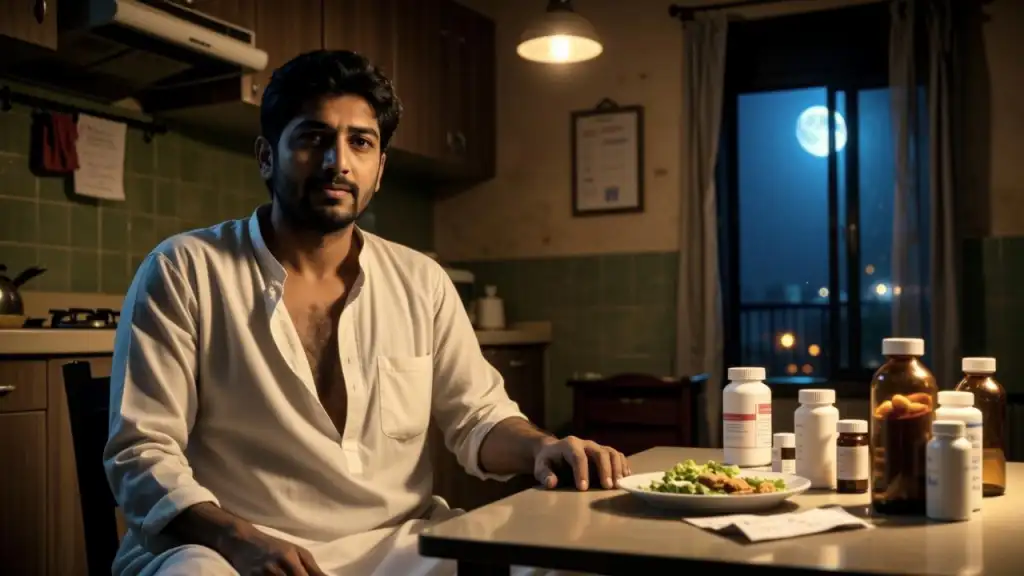
Imagine being told your body turns against you. Cells multiply uncontrollably. Doctors speak percentages. Then someone says, "I'm here no matter what." That presence becomes neurological predictability—a fixed point in chaos. When they leave post-remission, it feels like betrayal of a sacred pact.
A 2024 SAON study reveals 68%of young survivors report intensified depression after breakups during/after treatment. Worse, 41% skip follow-ups because partners managed their care. "Love becomes part of the treatment plan," says Dr. Vikram Mehta, Mumbai psycho-oncologist.
Arif Khan, 32, survived Hodgkin's lymphoma in 2024 thanks to girlfriend Zara who quit her job to care for him. When she left post-recovery saying "I need my life back," he missed critical scans and spiraled into depression. "If she leaves now...what did I fight for?" This captures post-cancer relational trauma—when absence feels like proof your survival wasn't worth staying for.
Insight
| Statistic | Source | |
|---|---|---|
| 73% feel "emotionally stranded" post-breakup | SAON 2024 | Isolation exceeds physical pain |
| 2.4x higher PTSD risk | Journal of Psychosocial Oncology 2025 | Abandonment amplifies trauma |
| 12% receive breakup counseling | National Cancer Registry | Systemic emotional neglect |
Every care act—holding a nausea bag, remembering medications—creates micro-bonds encoded as survival signals. Dr. Farida Chowdhury (BRAC University) notes: "fMRIs show ex-partners' voices activate the same brain regions as chemo sessions." This contextual bonding makes separation neurologically disruptive.
Social media compounds this. Instagram memories show hospital visits. TikTok replays pre-chemo laughter. We ask survivors to delete files their nervous system still runs on.
Good days. Bad days. Moments of hope. Nights of despair. The staying partner becomes both anchor and variable—part of the healing ecosystem. AIIMS Delhi's 2025 AI analysis of survivor journals found one recurring phrase: "We fought it together." That pronoun shift matters. When "we" dissolves, the "I" fractures.
Priya Malhotra, 29, associated Ravi Shankar sitar music with her boyfriend's care during thyroid cancer treatment. Post-breakup, she couldn't hear it without breakdowns. Her therapit used ritual repurposing—reintroducing music in new contexts to decouple it from loss. This exemplifies 2025's approach to heartbreak healing: not erasure, but reauthoring.
Telling survivors to "love themselves" ignores how diagnosis shattered self-worth. Positivity culture dismisses valid sorrow. Dating apps reduce pain to swipes. The problem isn't the patient—it's frameworks treating emotional recovery like fitness when it's more like immune response: dormant sometimes, flaring unexpectedly.
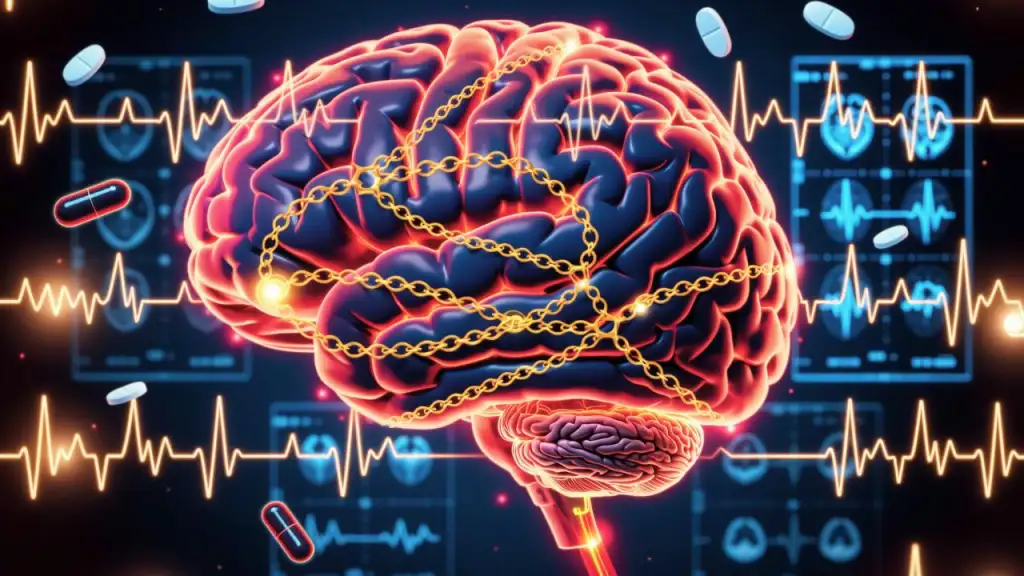
Can breakups trigger recurrence?
Is grieving normal?
Absolutely. You mourn the person, their role, and your treatment-era self simultaneously.
How to support someone?
Say "That must hurt deeply," not "You'll find better." Offer practical help—scan rides, meals. Validate their pain.
【Disclaimer】This content about cancer and breakups is for informational purposes only and not professional advice. Consult qualified specialists for medical/psychological decisions. The author/publisher assumes no liability for actions taken based on this content.
Ayesha Rahman
|
2025.11.06
